Pest Control for Your Home
Request your estimate today
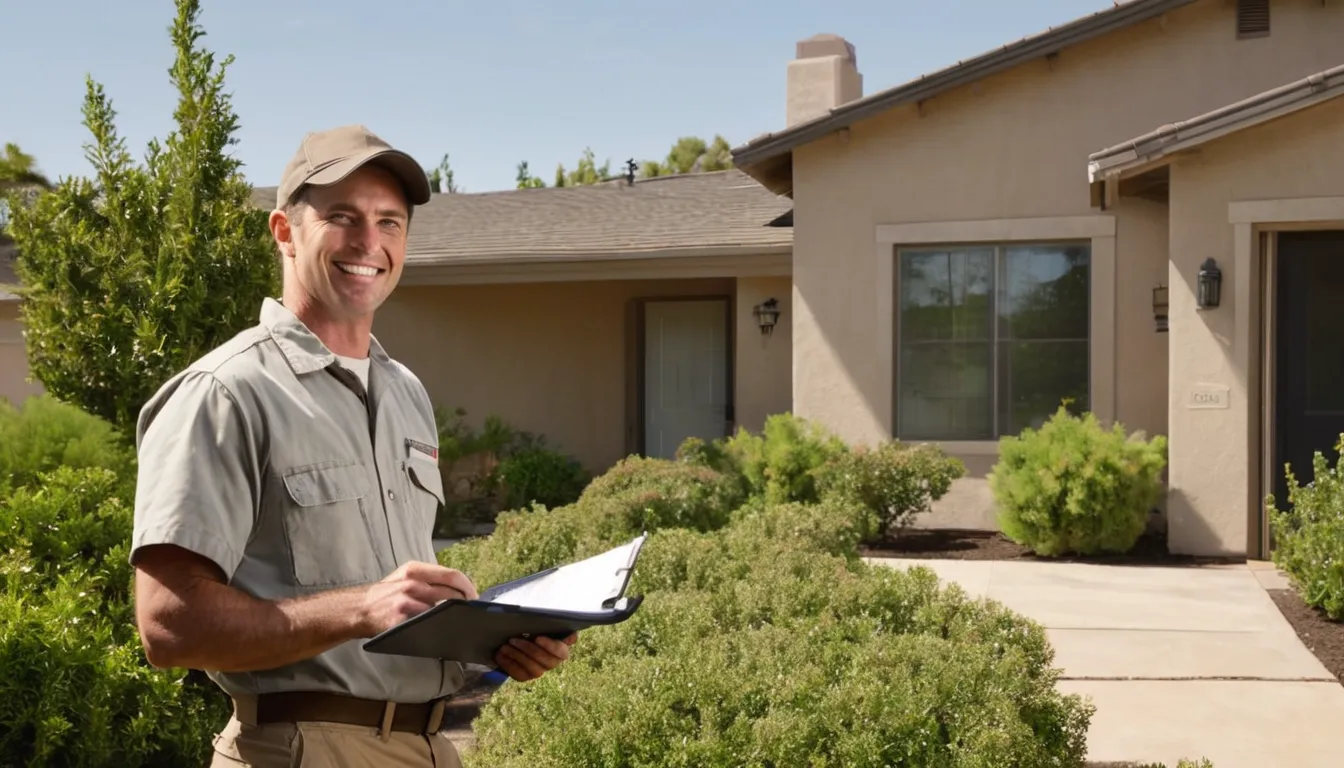
Pests rarely stay small. A few ants turn into a trail. One mouse turns into a nest. Residential pest control stops the problem at the source, so you are not just wiping up what you see.
Criticalproperly Pest Control is a referral service for homeowners in the Palo Alto area. We do not do the pest work. We link you with an independent provider in our network who does. You share what you are seeing. The provider inspects, treats, and tells you how to keep the pests away. This page explains each step in plain words, so you know what to expect and what to ask before you hire.
Seeing pests at home? Start here
You spotted ants on the counter. Or a roach by the sink. Or droppings in the garage. Stay calm. Most home pest problems can be fixed.
The first step is simple. Request an estimate, and Criticalproperly Pest Control will link you with a local provider in our network. The provider does the work. Criticalproperly Pest Control does not.
What to do before the provider arrives
A few small steps help right away. They also help the provider find the cause faster.
- Seal food in tight containers, and wipe up crumbs and spills.
- Take a clear photo of the pest, or save one if you can.
- Note where you see them and at what time of day.
- Skip mixing store sprays. Too many products can scatter pests and make them harder to treat.
- Keep kids and pets away from the areas where pests gather.
Why acting early matters
Pests multiply fast. Roaches lay many eggs at once. Mice can have babies several times a year. Ants send out more scouts the longer they find food.
A small problem costs less to treat than a big one. Acting early also protects your food, your walls, and your sleep.
What residential pest control covers
Residential pest control means treating pests in and around a home. A typical visit has a few parts.
- Inspection: The provider looks for pests, nests, and the reason they came in.
- Treatment: This may include baits, sprays, dusts, or traps, based on the pest.
- Perimeter band: A line of product around the outside of the house. It stops pests before they enter.
- Entry-point advice: The provider points out gaps, leaks, and other weak spots.
- Follow-up: Some pests need a second visit to break their cycle.
Common pests providers treat
Providers in our network often handle ants, spiders, roaches, crickets, and bed bugs. Many also deal with mice and rats. If you hear scratching in the walls or attic, ask about wildlife removal too.
Local weather matters. Long dry seasons send ants and crickets looking for water, and they often find your kitchen or bath. Winter rain pushes spiders, roaches, and rodents indoors. Older bungalows and 1950s to 1980s tract homes often have small gaps near pipes, vents, and stucco edges. Pests love those gaps.
A word on bed bug treatment
Bed bugs are tiny insects that hide in mattresses and furniture and bite at night. They are hard to find and hard to treat alone. Store sprays rarely finish the job.
If you wake with new bites, ask for bed bug treatment. Ask what method the provider uses, how many visits to expect, and how to prep the room. Do not toss your bed yet. Moving items can spread them.
Is treatment safe for kids and pets?
It is a fair question. Ask it before work starts.
- What product will you use, and where will it go?
- How long should kids and pets stay out of the area?
- Can you use baits or spot treatments instead of broad spray?
- Should I cover fish tanks or put away food and dishes?
A good provider answers in plain words and shows you the product label. If you get a vague answer, ask again.
One-time treatment or ongoing plan?
Some problems need one visit. A single ant trail or a lone spider may be handled that way. Others need a plan.
An ongoing plan means a provider visits on a set schedule, often every few months. It suits homes that see pests each season. It also helps if you live near brush, a creek, or a neighbor with pest trouble. Ask what each visit includes, and whether the plan covers repeat visits between schedules.
Fix it, then protect it
Treatment clears the pests you have. Prevention keeps new ones out. Both matter.
- Fix leaky pipes, drips, and wet spots under sinks.
- Seal gaps around pipes, vents, and doors with the right material.
- Add door sweeps and keep window screens in good shape.
- Trim plants and branches back from the walls and roof.
- Store pantry food, pet food, and trash in sealed containers.
- Clear clutter from the garage, since pests hide there.
Ask before you hire
You do not need to be an expert. You just need good questions. Here is what a solid answer sounds like.
- Are you licensed in this state? A good answer is a clear yes, with a license number you can check.
- What will you treat, and why? The provider names the pest and the cause.
- What does the quote include? You should get it in writing, with visit count and follow-up terms.
- What if pests come back? Ask what the plan says about repeat visits.
Red flags to watch for
- Pressure to sign a long contract on the spot.
- A price with no inspection first.
- No written quote or no product details.
- Big promises that sound too perfect.
Want to talk it through first? Request a callback to check provider availability.
Helping the treatment work
A little prep goes far. Follow the provider's notes. Clear space along walls and under sinks. Do not wipe away baits or treated bands. Keep pets out as told. Then watch for changes over the next few weeks. Some activity right after treatment is normal as pests come out and die. Tell the provider if it does not fade.
What's Included
Home Inspection
A provider checks inside and outside for pests, nests, and the gaps or damp spots that let them in.
Targeted Treatment
Baits, sprays, dusts, or traps are chosen for your pest and home, not one-size-fits-all.
Entry Sealing
Providers point out cracks, vents, and pipe gaps, and may seal some to block new pests.
Follow-Up Visits
Some pests need a second visit. Many plans include check-ins to confirm the problem is gone.
What Pest Control Typically Costs
Prices vary by pest, home size, and how bad the problem is. These are typical U.S. ranges only. Always ask the provider for a written quote before you agree to any work.
| Service | Typical range | Notes |
|---|---|---|
| One-time general treatment | $100 – $400 | Inside and outside spray or bait for common pests |
| Quarterly plan, per visit | $75 – $200 | Set schedule; first visit often costs more |
| Ant treatment | $150 – $500 | Depends on ant type and how many nests |
| Roach treatment | $150 – $600 | Heavy cases may need several visits |
| Flea treatment | $150 – $450 | Pets and yard often need care too |
| Bed bug treatment | $300 – $2,000+ | Price rises with rooms treated and method used |
How It Works
Share Your Problem
Tell us what pests you see, where, and since when, using the estimate form.
Get Linked Up
We refer you to a local provider in our network who handles that pest.
Provider Inspects
The provider checks your home, explains the plan, and gives a written quote.
Treat, Then Protect
The provider treats the pests and shares tips to keep them from returning.
Why Call Criticalproperly Pest Control
Plain Answers
We explain each step in short, clear words so you know what the provider will do.
Local Providers
You are linked with independent providers who work in your area and know local pests.
No Pressure
Request an estimate and compare. You decide what to do next, with no obligation.
Prevention Focus
The goal is to fix the problem, then help you keep it from coming back.
Other Services
Need pest control in Palo Alto?
- Request an estimate in a few minutes
- Independent local providers
- No obligation to hire
- Prevention tips included
Pest Control FAQ
- How do I find an exterminator near me?
- Request an estimate through Criticalproperly Pest Control. We refer you to an independent provider in our network who serves your area. Request a callback to check provider availability. You can compare the written quote before you decide.
- How long does pest control take to work?
- It depends on the pest. Ants may fade in days. Roaches and bed bugs can take a few weeks and more than one visit. Ask your provider what to expect and when to report back.
- Do I need a monthly or quarterly pest plan?
- Not always. One treatment can solve a single issue. A plan helps if pests return each season or you live near brush or water. Ask what each visit includes before you sign.
Tell us what happened
Tell us what you found at home. Send a short request and a provider in our network can follow up with next steps and an estimate.
No obligation